Is 2026 a Good Time to Buy or Sell? Here’s the Truth.
The U.S. housing market for 2026 looks to be calmer, more predictable, and more data-driven than the roller-coaster years of 2020–2023 — but headlines still make it hard to understand what’s really happening.
By Nicole Fernandez

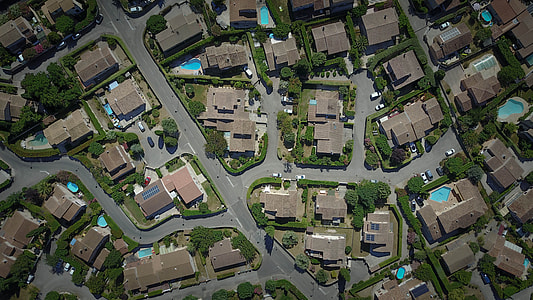
Image sourced from Pickpik.
Buyers are hearing rumors about falling mortgage rates, while sellers are wondering whether their equity will hold in the market moving forward. Many people are unsure whether now is the right time to make a move, as so many variables are involved.
To get a clear picture, it’s important to step back from the noise and look at verified, national housing data. If you’re looking to buy or sell in 2026, here is your guide to make an educated decision.
The Normalized Housing Cycle
According to the latest market reports, the U.S. is now experiencing what analysts describe as a “normalized housing cycle.” Home prices are continuing to grow, but at a slower, healthier pace.
In Reno specifically, inventory has a trend of ticking upwards during the months between March and August, slowing down during the end of the year due to many buyers and sellers avoiding the hassle of moving during the colder seasons. This is paired with the trouble of moving while kids are in school, as well as college students starting their semesters back up after the summer closes out.
The Federal Housing Finance Agency (FHFA) reports that U.S. home prices increased 3.8% year-over-year heading into 2026 — a moderate level of appreciation that suggests price stability rather than volatility. So while housing prices might be rising, they are not rising exponentially. Prices fluctuate according to inflation, but are not changing so much that loan offers can’t keep up.
Housing Inventory
Housing inventory has been gradually rising for nearly two years. Realtor.com’s most recent analysis shows that active listings have expanded annually, giving buyers more choices than they’ve had since before the pandemic-era boom.
This rise in inventory, combined with cooling price growth, has reshaped the 2026 buying landscape. Buyers are facing far less competition than they did during the bidding wars of 2021 and 2022, creating opportunities for buyers in the upcoming market during the prime months between March and August.
During the slower months of January, February, and September through December, homes are staying on the market longer, sellers are more willing to negotiate repairs and credits, and the overall pace of the market has slowed to something that resembles normalcy.
In Reno, taking advantage of the market when houses are sitting longer can benefit both the buyer and seller during negotiations. Redfin’s 2026 outlook highlights that “price corrections remain highly localized,” affecting only certain markets where affordability challenges or oversupply are significant factors.
Mortgage Rates
Mortgage rates remain one of the biggest questions for buyers, as they change daily and are completely uncontrollable. After hitting multi-decade highs in 2023, rates gradually eased through 2024 and 2025, though they remain higher than the record lows of the pandemic.
Freddie Mac’s early-2026 mortgage rate survey shows that rates have stabilized in the low-6% range, significantly lower than the 7%–8% peaks seen earlier in the decade but still elevated compared with historical norms.
While this keeps affordability tight for some buyers, it also means that purchasing power is stronger than it was during the peak inflation period. In 2026, buyers are encouraged to plan for long-term stability rather than waiting for ultra-low pandemic rates that are very unlikely to return.
Equity
For sellers, the 2026 housing market presents an interesting balance. Homeowners who bought before or during the early pandemic boom are sitting on substantial equity gains.
The National Association of Realtors (NAR) notes that median existing-home sale prices have risen consistently over the past decade, giving most homeowners a strong equity position even with slower growth in 2025–2026.
In Reno, many houses are rising in equity due to the demand for homes after the growth of the population with companies like Tesla bringing new residents each year.
Homes that are well-priced and move-in ready continue to sell steadily, though not at the frenzied pace of previous years. Sellers should expect a more informed, cautious buyer who is factoring in mortgage rates, inspection results, and long-term affordability considerations.
Real Estate Conditions
It’s also important to remember that real estate conditions are highly regional. Newsweek’s analysis of rapidly changing city-by-city markets shows that some metro areas are experiencing mild price softening, while others continue to see strong demand due to job growth and migration trends. Because of this variation, broad national predictions often fail to reflect what’s happening in individual neighborhoods.
The “best time to buy or sell” often depends on hyperlocal inventory, employer trends, and affordability specific to each region - the main reason buyers and sellers need an ethical real estate to navigate these trends, without the clouded need to get a paycheck.
Experts across multiple platforms agree on one thing: timing the housing market perfectly is nearly impossible. What matters more is personal financial readiness, which is where a credible loan officer comes into the picture.
NerdWallet’s 2026 homebuying guide emphasizes that buyers should focus on stable income, manageable debt, emergency savings, and long-term plans rather than chasing short-term market shifts. The same applies to sellers — the best time to move is when your equity, your life circumstances, and local market conditions align.
So… Is It Time to Buy or Sell?
So, is now a good time to buy or sell in 2026? It can be, but for reasons far more practical than dramatic headlines suggest. Buyers benefit from increased inventory, slower price growth, and more negotiating leverage. Sellers benefit from strong long-term appreciation and a steady pool of motivated buyers.
For many people, the “right time” is less about economic predictions and more about readiness, stability, and finding the right place to call home. In order to figure this out, this takes both a real estate expert and an ethical loan officer who has the client’s best interest at heart, as well as the client’s diligence to weigh their options through research.